Adaptability
With experience spanning a fast-paced software agency serving both B2B and B2C clients, as well as Gripp’s complex B2B SaaS startup, I can navigate ambiguity quickly and identify the underlying problem.
I’m a product designer who loves taking messy, high-stakes problems and turning them into something clear and shippable. Think AI-forward workflows, solid design foundations, and systems that help teams move with confidence. I care a lot about structure, storytelling, and making complex products feel human.
Product Designer at Gripp. I lead end-to-end product work across analytics, permissions, and the design system, and I partner closely with eng, PMs, and the field every day.
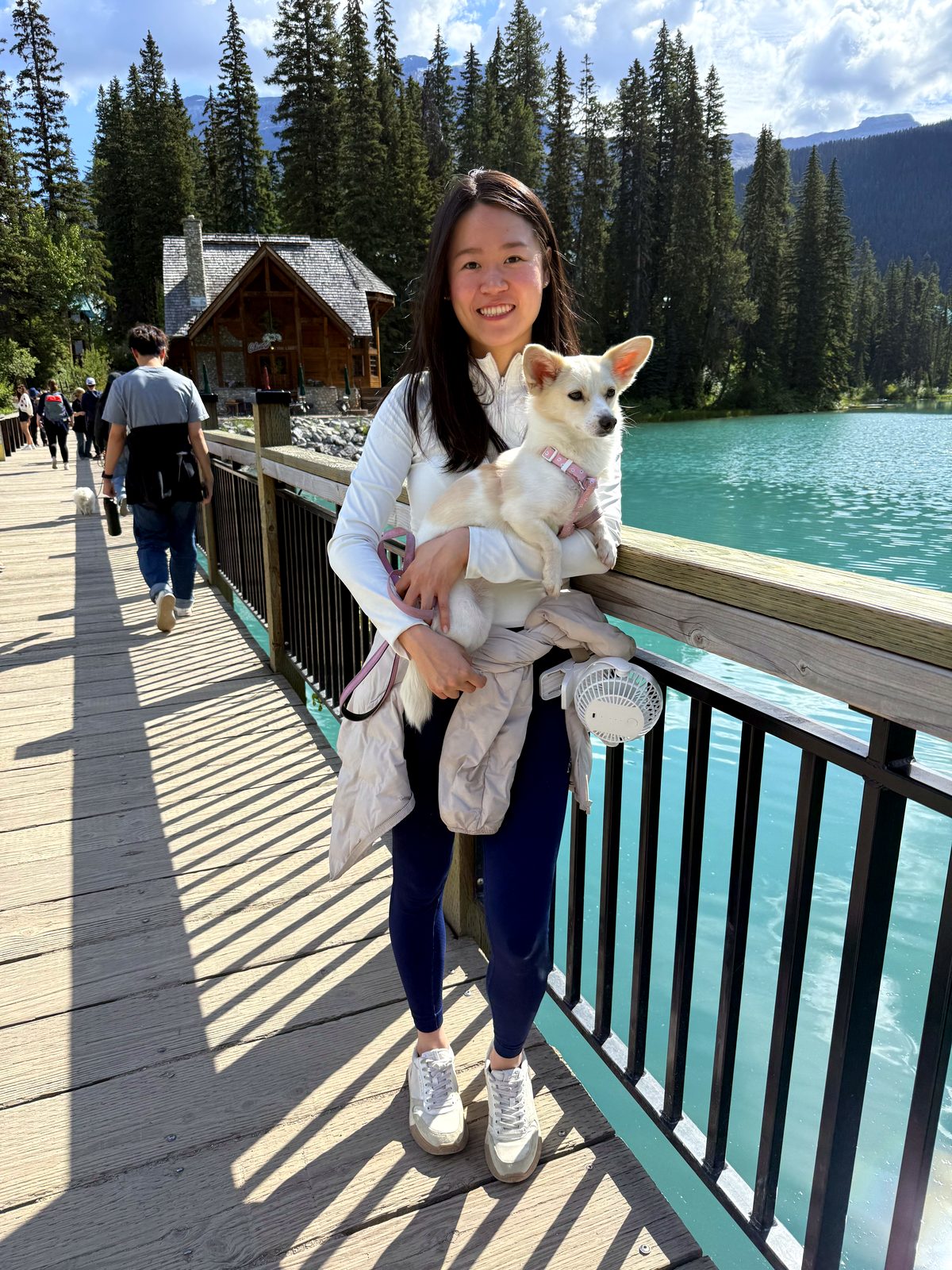
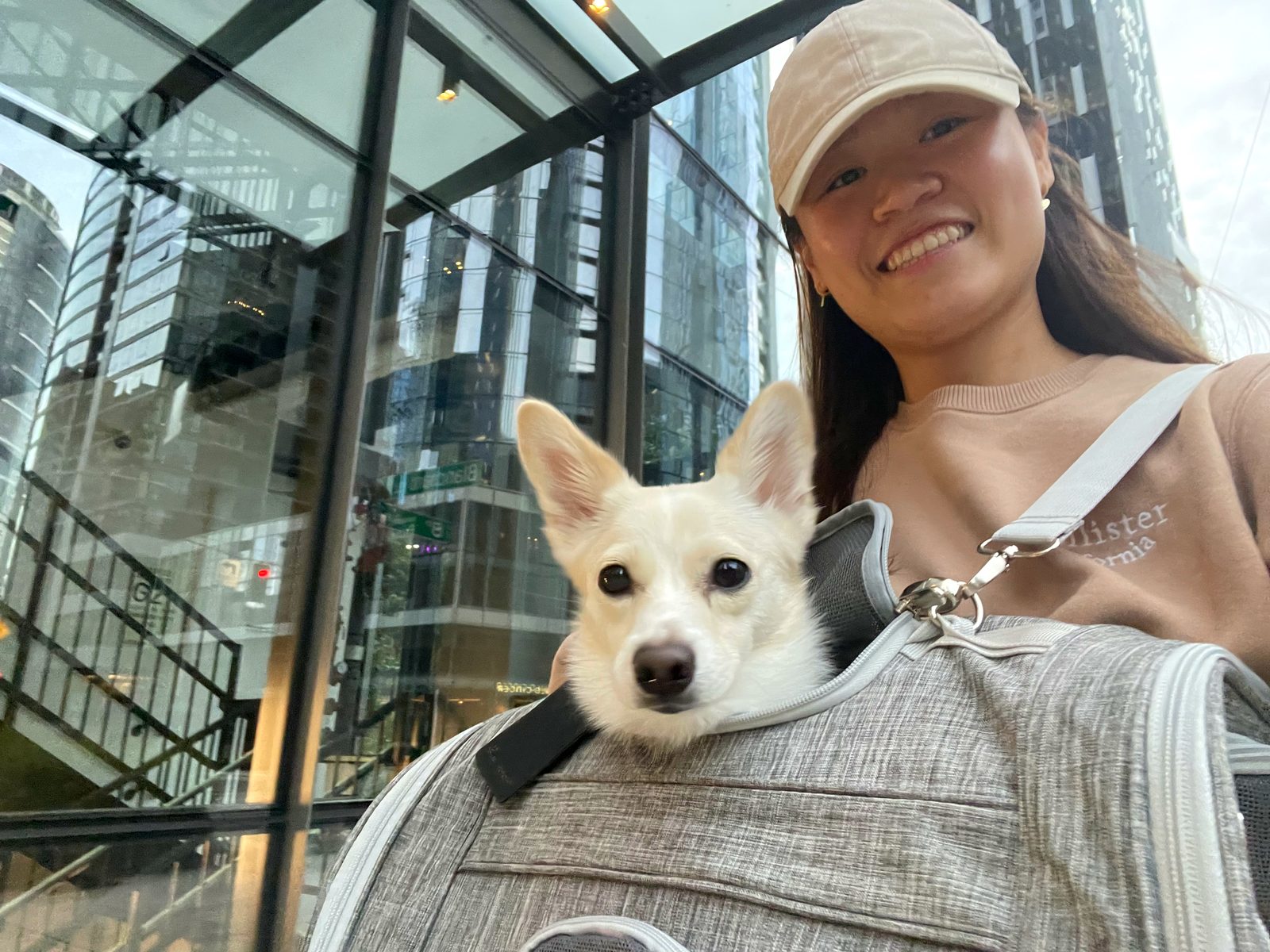
When I’m not building things, I love walking my dog, traveling with friends, and chatting with neighbors and pet parents. At this point, I feel like I know every dog in the neighborhood!
Click play to hear me say hi!
With experience spanning a fast-paced software agency serving both B2B and B2C clients, as well as Gripp’s complex B2B SaaS startup, I can navigate ambiguity quickly and identify the underlying problem.
With natural curiosity, I look beyond design to understand the business. That ownership mentality helped me lead a global project within three months at Gripp and onboard new teammates by month six.
In the past, I worked primarily as a sole designer partnering with multiple engineers. That experience taught me to think through all scenarios and edge cases, resulting in more well-rounded designs.
I have optimized my workflows and tools to focus on generating ideas and exploring a larger volume of options in a shorter amount of time, allowing me to explore solutions thoroughly and deeply.
I use AI throughout my entire design process, from research to delivery. I think of it as a teammate that helps me move faster, but I’m still the one making the decisions.
For research, I use ChatGPT, Gemini, and Claude for things like competitor research and learning new domains. After interviews, I use Dovetail and Maze to quickly summarize insights and spot patterns, so I can spend more time thinking instead of organizing notes.
For ideation, I use Claude Design to explore different design directions. I bring in references from Mobbin, and if there’s an existing design system, I’ll provide the design.md file and the GitHub design system link upfront, so the concepts stay consistent with the existing system.
I also use Cursor to speed up implementation and collaborate better with engineers.
For me, AI doesn’t replace design thinking. It just helps me spend less time on repetitive tasks and more time solving the right problems.
My design process is pretty flexible because every project is different. It really depends on the level of clarity, the timeline, and the resources, but I usually follow the same overall flow.
First, I make sure we’re solving the right problem by understanding the user needs, business goals, success metrics, and any constraints.
Then I do the right amount of research. If things are clear, I’ll lean on existing data and competitor research. If there’s more uncertainty, I’ll talk to users and validate assumptions.
Next, I design, test, and iterate. I work closely with PMs and engineers, explore different ideas, and validate them early whenever possible.
After launch, I look at user feedback and product metrics to see what’s working, then keep improving. To me, design is never really finished. It’s all about learning and iterating.
I’d say I’m both. It really depends on the project’s level of clarity and risk.
If the problem is already well defined and the risk is low, I like to move quickly, ship, measure, and iterate based on real user data.
If there’s still some uncertainty, I’ll do lightweight research like user interviews or usability testing to make sure we truly understand the problem before designing.
For highly ambiguous or high-risk projects, I spend even more time on research and validation because that’s where it has the biggest impact. I like to focus the team’s time and resources where they reduce the most risk, instead of doing the same amount of research for every project.
I like to involve PMs and engineers as early as possible. I really believe the best products come from working together, not handing designs off at the end.
From day one, we align on the business goals, user needs, and any technical constraints. That helps us make better decisions early and avoids surprises later. My goal is to make sure what we design is not only great for users, but also valuable for the business and realistic to build.
I would need about two to three weeks’ notice before I can start. After that, I’ll be ready and excited for my next chapter! 😊
Happy to chat about the role, projects, or timelines anytime at cynthiaproductdesigner@gmail.com.
10.2024 – Present
Product Designer · B2B SaaS Startup
01.2021 – 12.2021
08.2023 – 10.2024
Product Designer · Software Agency
06.2022 – 08.2022
Product Designer Intern · Enterprise Internal System
10.2019 – 10.2020
Product Designer · B2B2C Marketplace Startup
05.2019 – 10.2019
Product Designer Intern · Software Agency